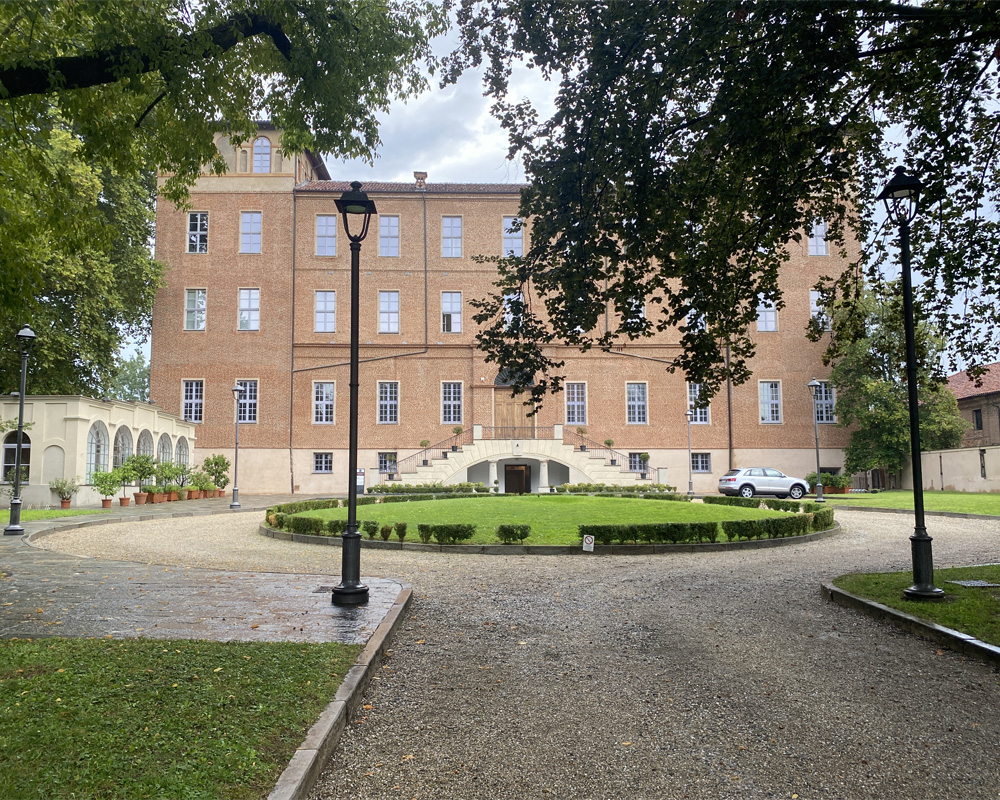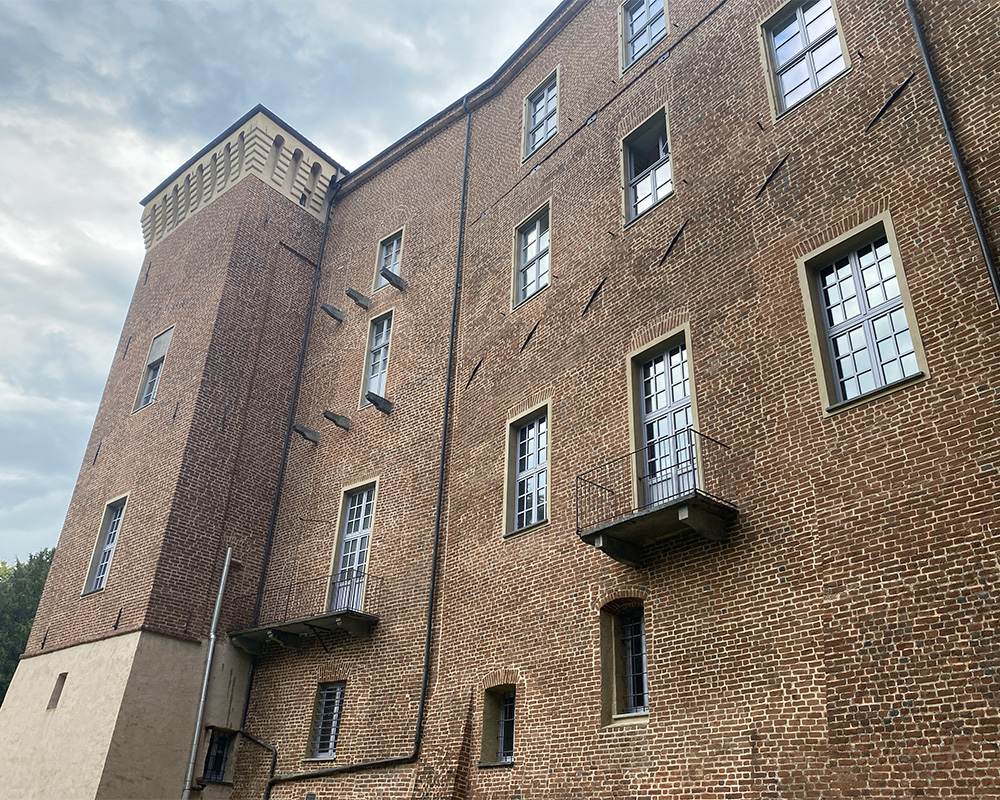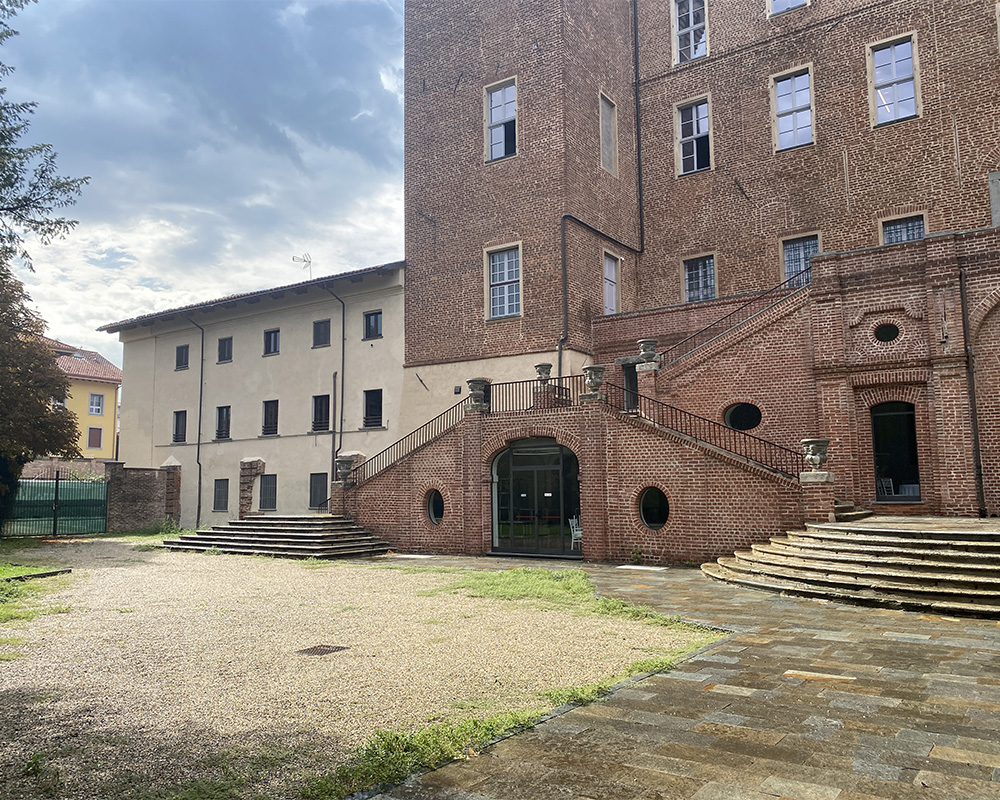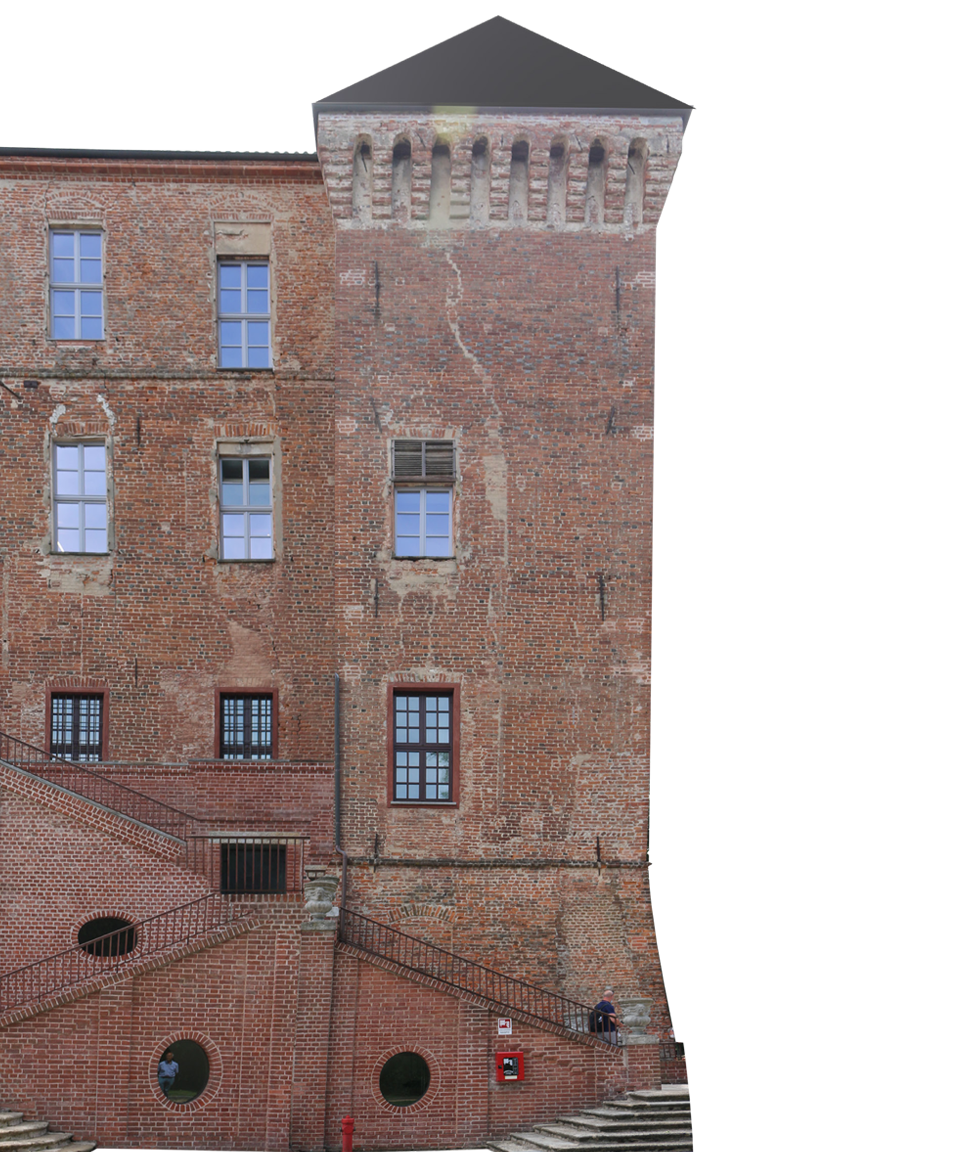
The conservation restoration project for Castello della Rovere in Vinovo, promoted by the Municipality, adopted a methodological approach aimed at protecting and enhancing the Renaissance architectural complex, with particular attention to the external facades, corner towers, internal courtyard and surrounding walls. The main goal was to preserve the building's historical authenticity, minimising alterations and using materials compatible with the existing structures.
Designed in the 16th century by Francesco Paciotto, the Castle is one of the most significant examples of Renaissance architecture in Piedmont. Its historical and cultural importance called for careful planning of the intervention.
The operational phases were organised according to the deterioration [1] identified, with targeted interventions respectful of the building's specific characteristics. The site setup [2] was designed to ensure safety and efficiency throughout all phases of the work. Scaffolding played a central role, allowing not only access to the various areas of the building but also constant monitoring and analysis, making the restoration a dynamic and integrated process. Care was also taken to ensure the site remained accessible and safe for visitors throughout the works.
[1] Deterioration
The deterioration found included atmospheric particulate deposits, biological patinas, joint disintegration, structural cracks and damage to terracotta elements, plasterwork, stonework, metalwork and window/door fixtures. Each intervention was targeted and calibrated according to the type and severity of the deterioration.
[2] Site setup
This includes fencing, access routes, staging areas and safe utilities. The operational phases follow a methodical order, with consolidation work from the bottom up and finishing work from the top down. The site is equipped with scaffolding, staging and equipment compliant with safety regulations.