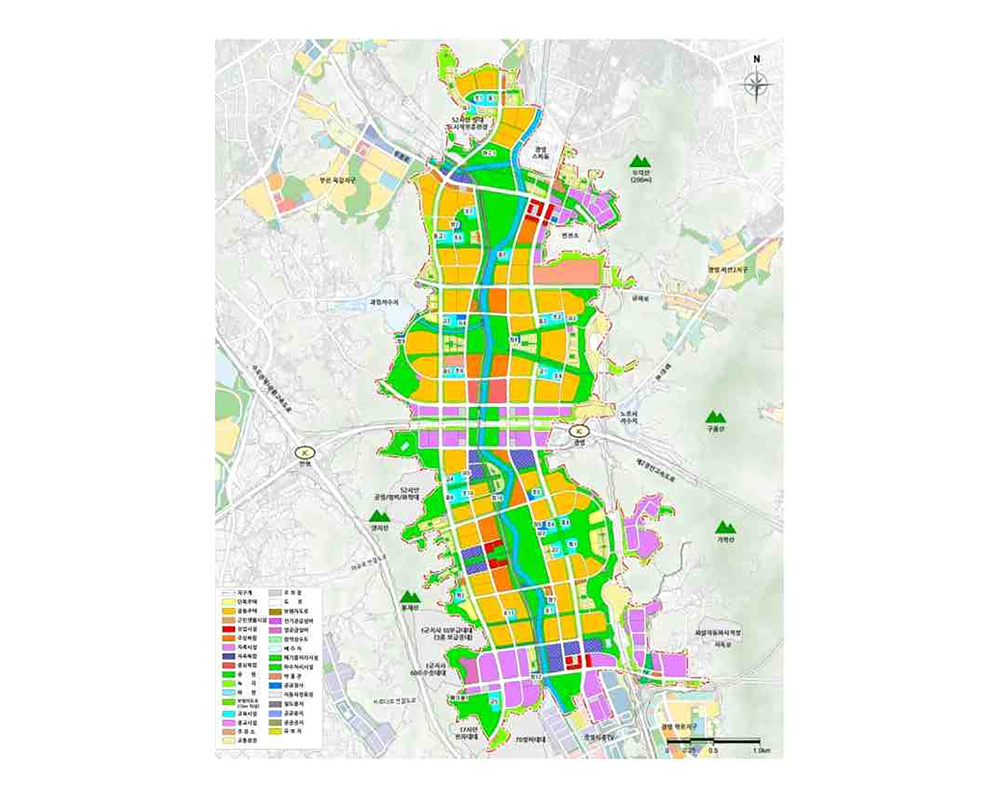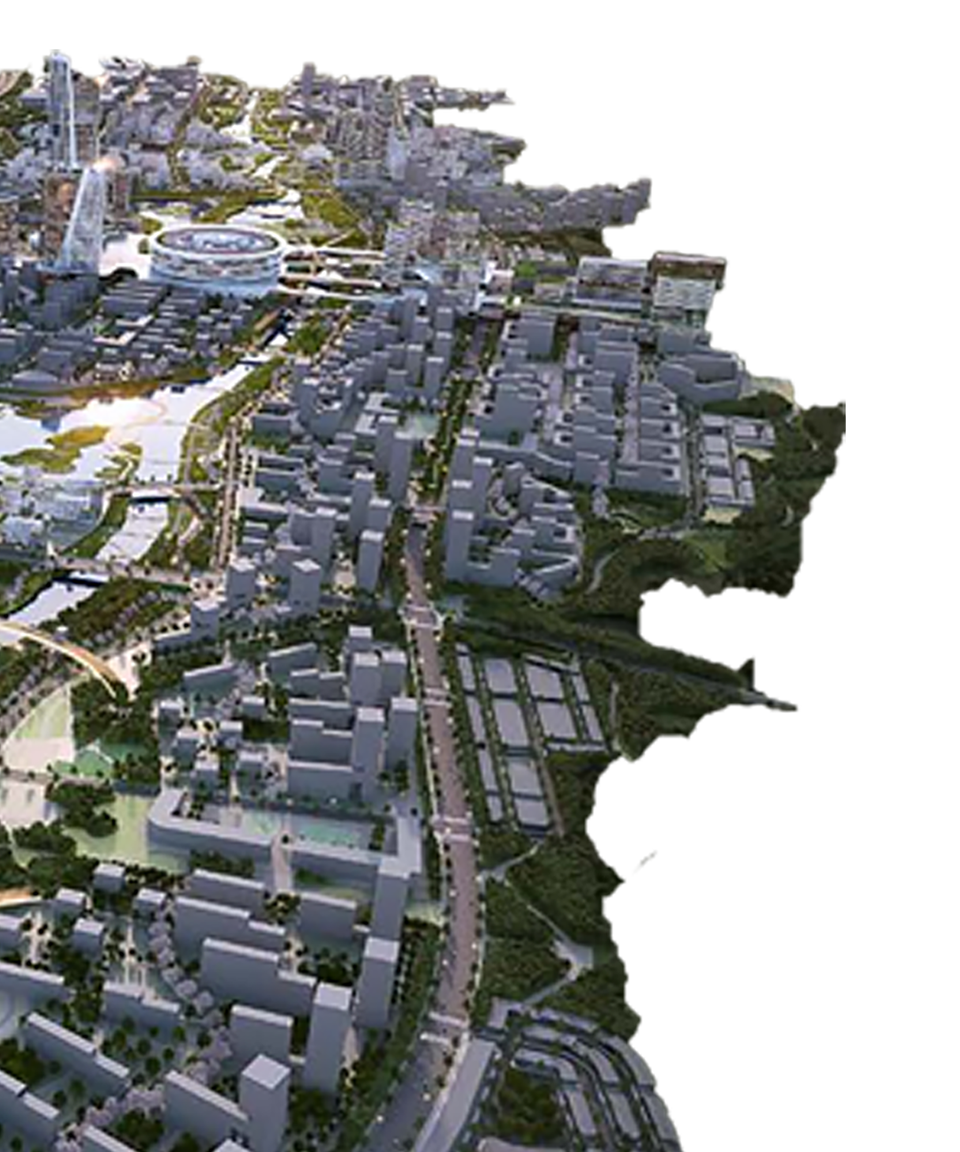
The Gwangmyeong district, in South Korea, has been the subject of an ambitious development plan to become a sustainable and interconnected smart city.
The new tram network represents the beating heart of the project: an innovative transport system that combines technology and sustainability. The tram lines are designed to dynamically adapt to transport demand, with variable-speed trains and autonomous driving systems.
A further key aspect is the integration of multimodal mobility [1]: bicycles, electric micromobility and public transport coexist within a single network, offering citizens flexible solutions and reducing environmental impact. The infrastructure was also designed for urban logistics: the tram becomes a means of transporting goods and even collecting waste, optimising the city's efficiency.
This focus on sustainability translates into smart energy use [2].
Gwangmyeong Smart City is therefore an urban laboratory that anticipates the future of cities: a place where technology is not just a support, but becomes an integral part of the urban environment, improving quality of life and reducing resource consumption.
Image courtesy of Smart City Korea
[1] Multimodal mobility
The tram stops are designed to integrate with bicycle hubs, electric scooters and autonomous buses, creating a seamless transport ecosystem.
[2] Smart energy use
Smart grids, solar panels and integrated charging systems reduce consumption and improve the network's autonomy. Environmental sensors and AI constantly monitor air quality and traffic, dynamically regulating the transport system.