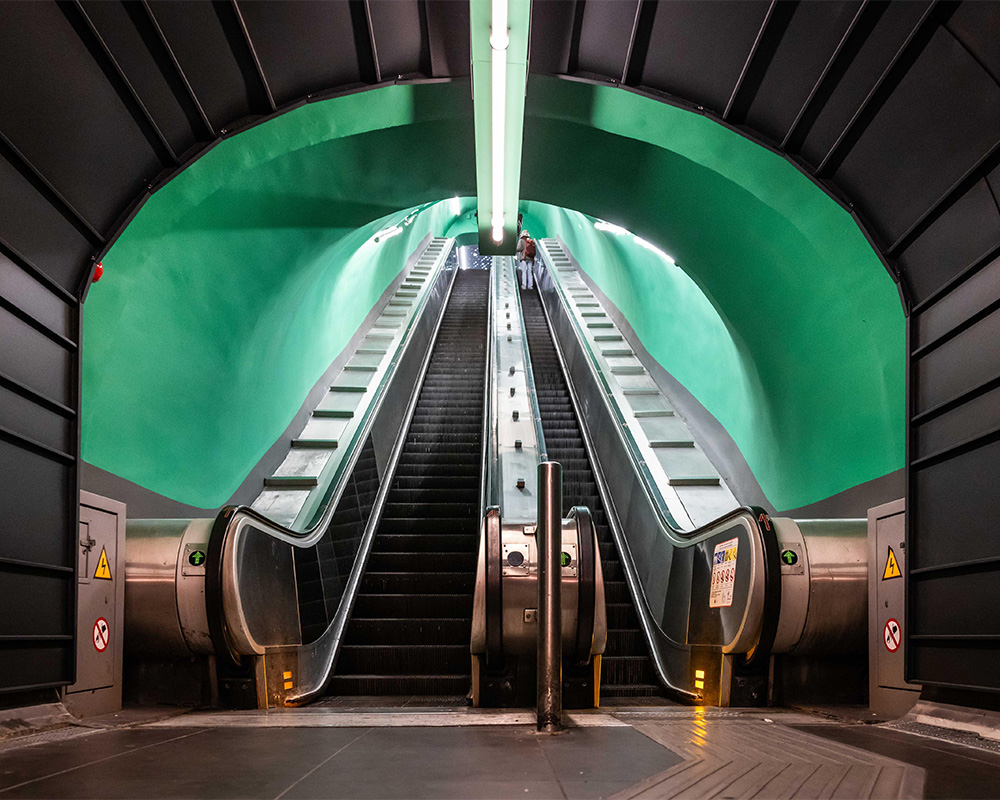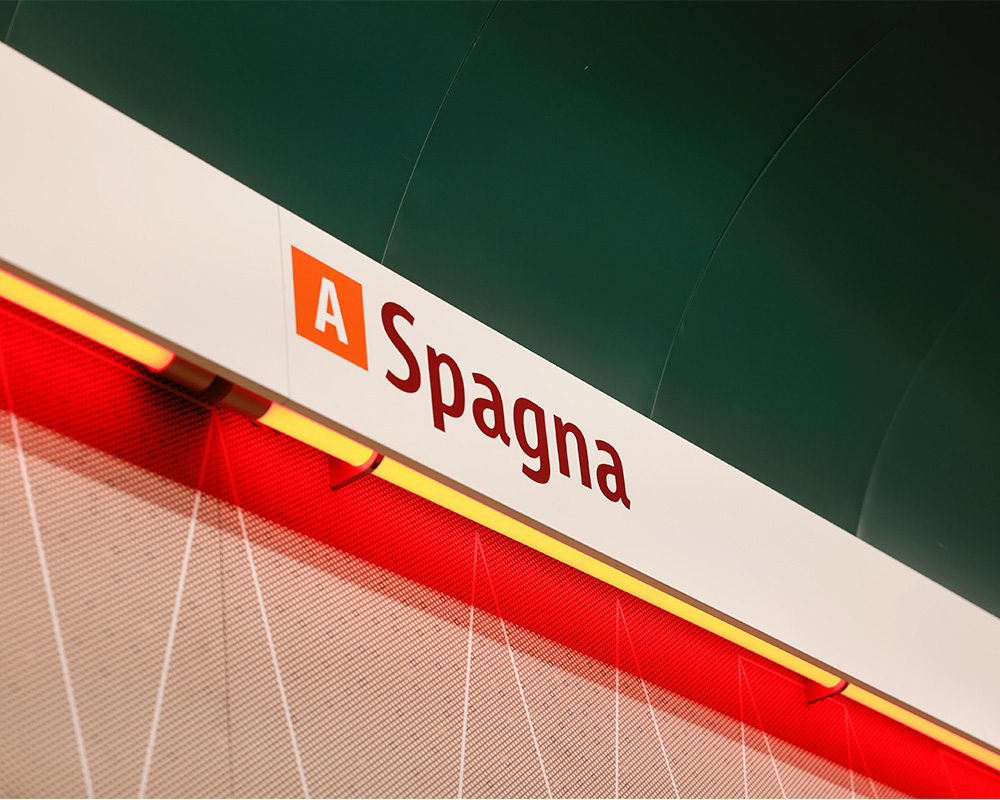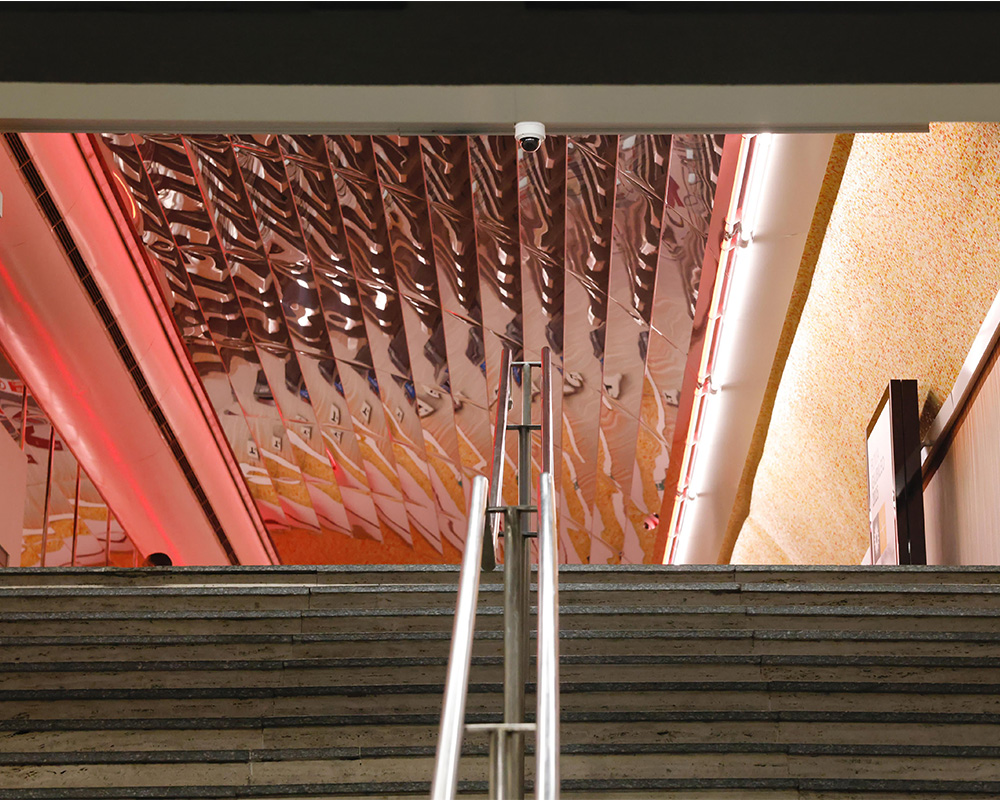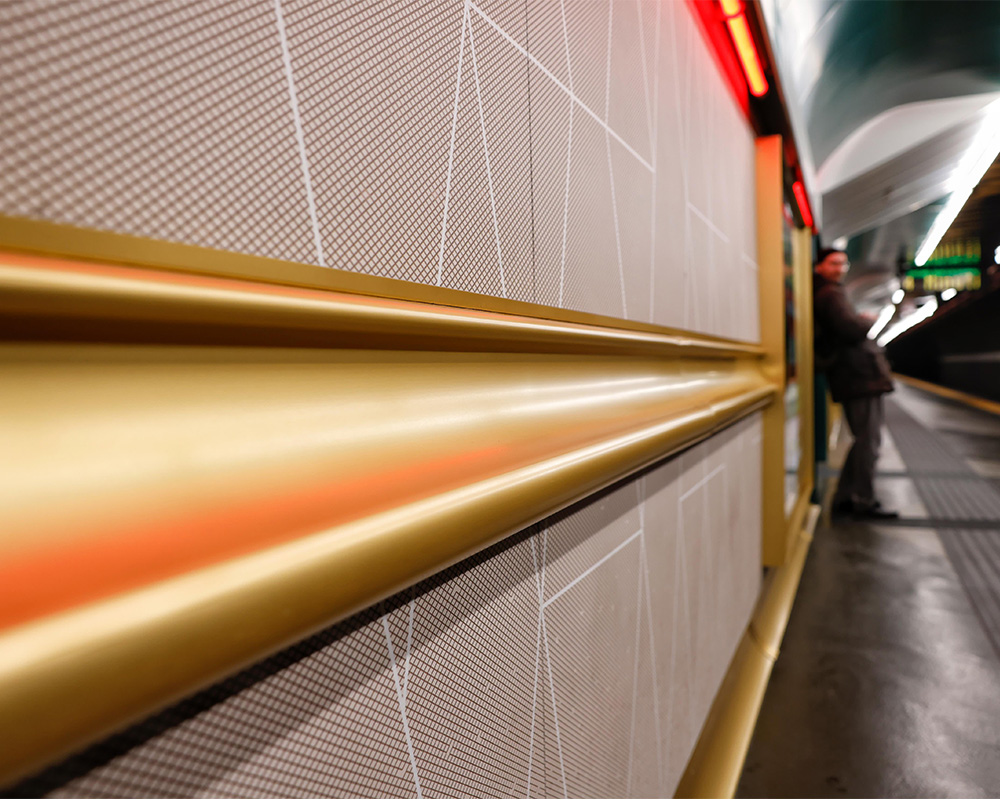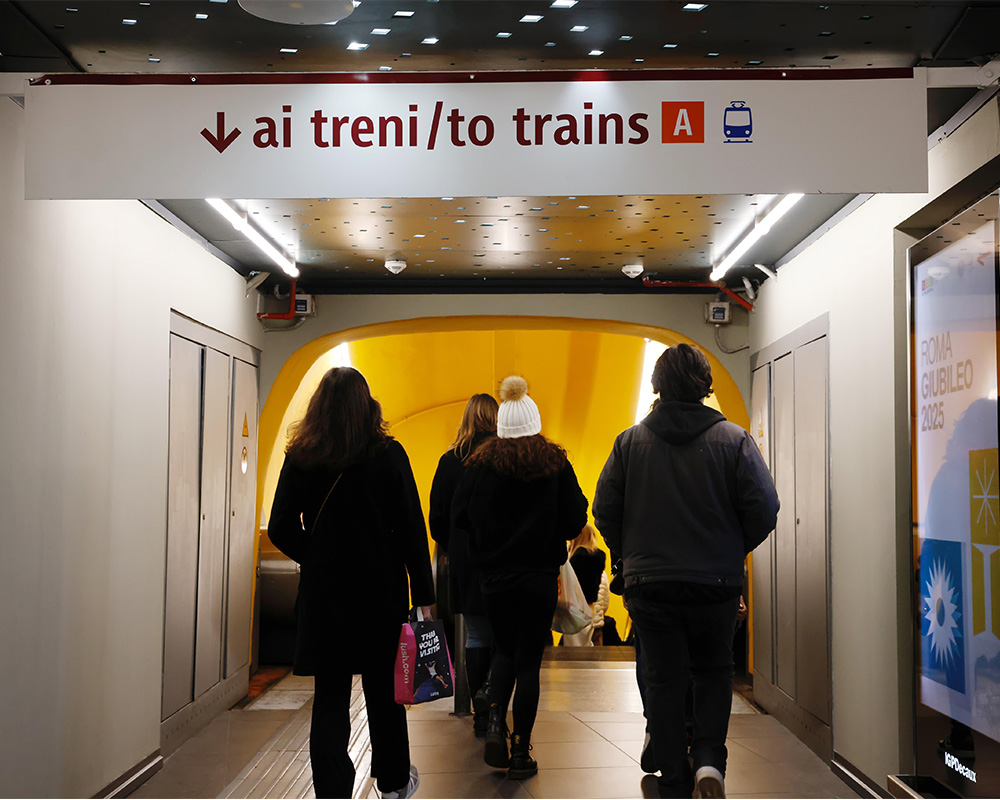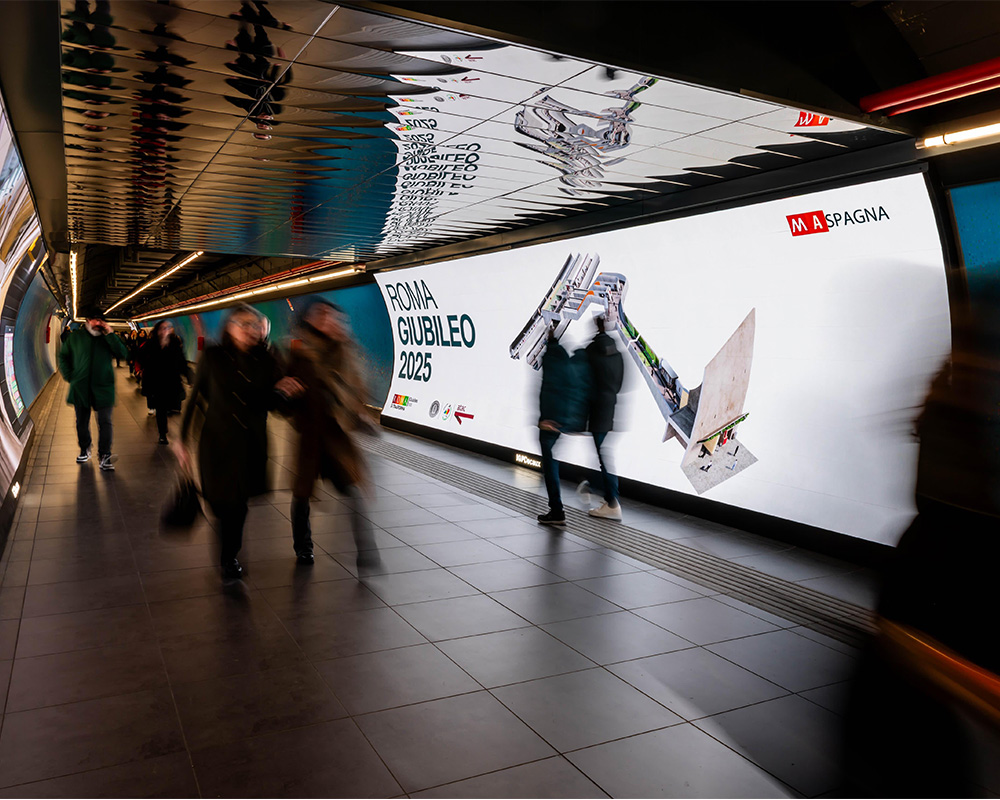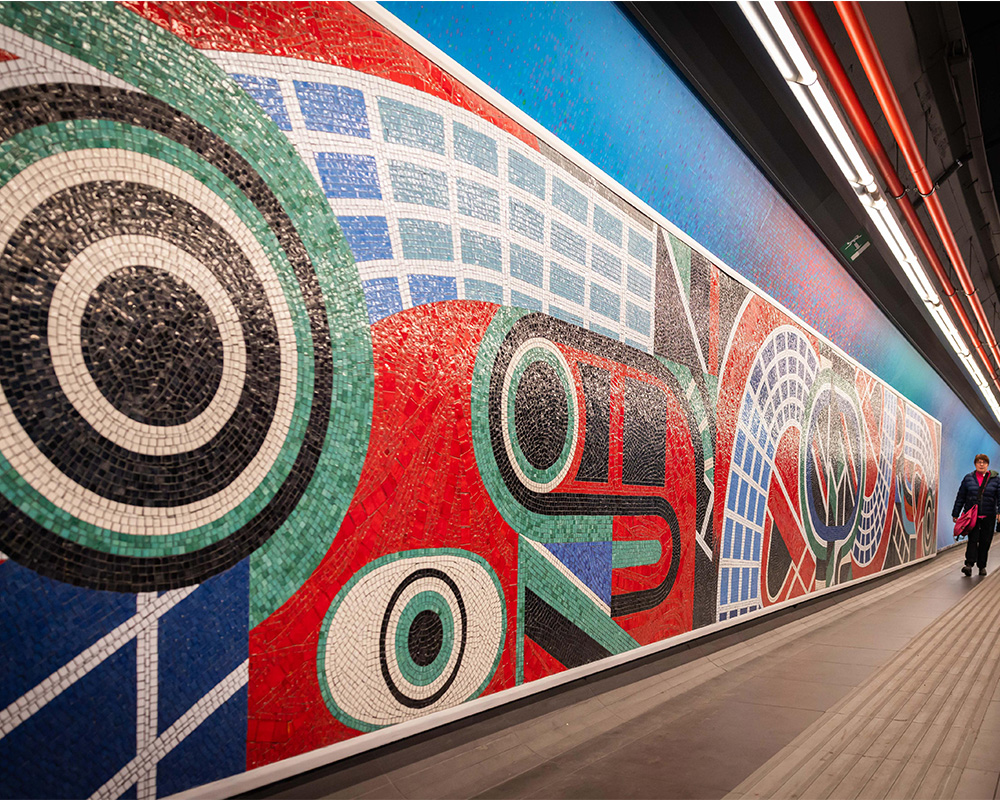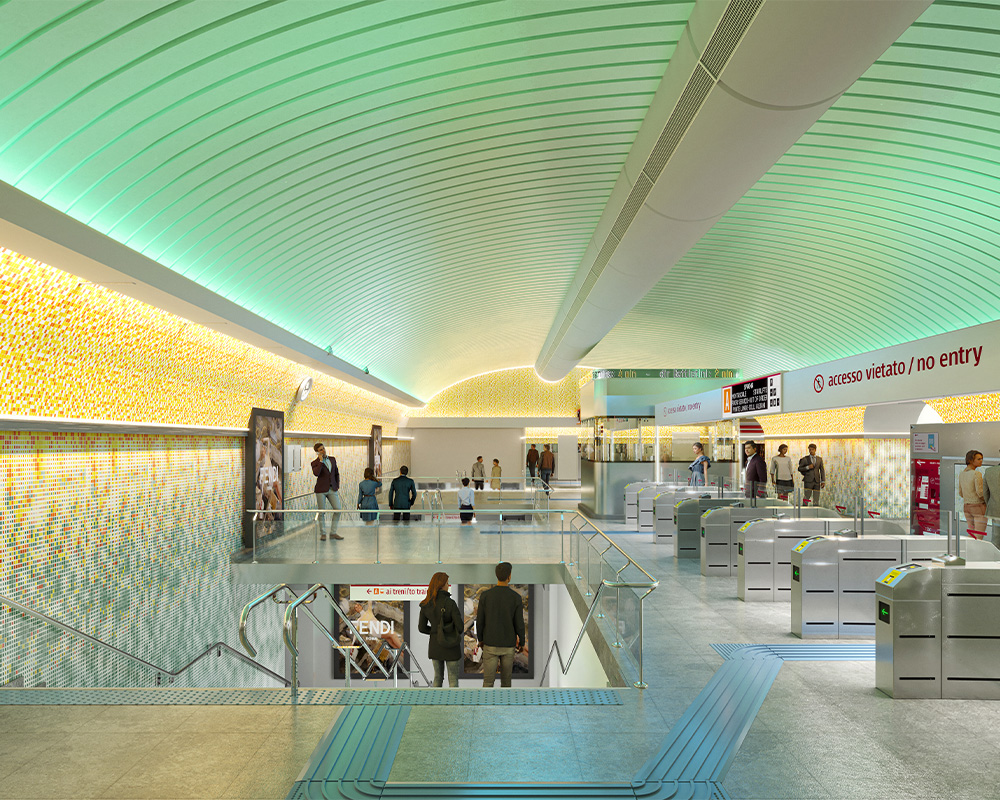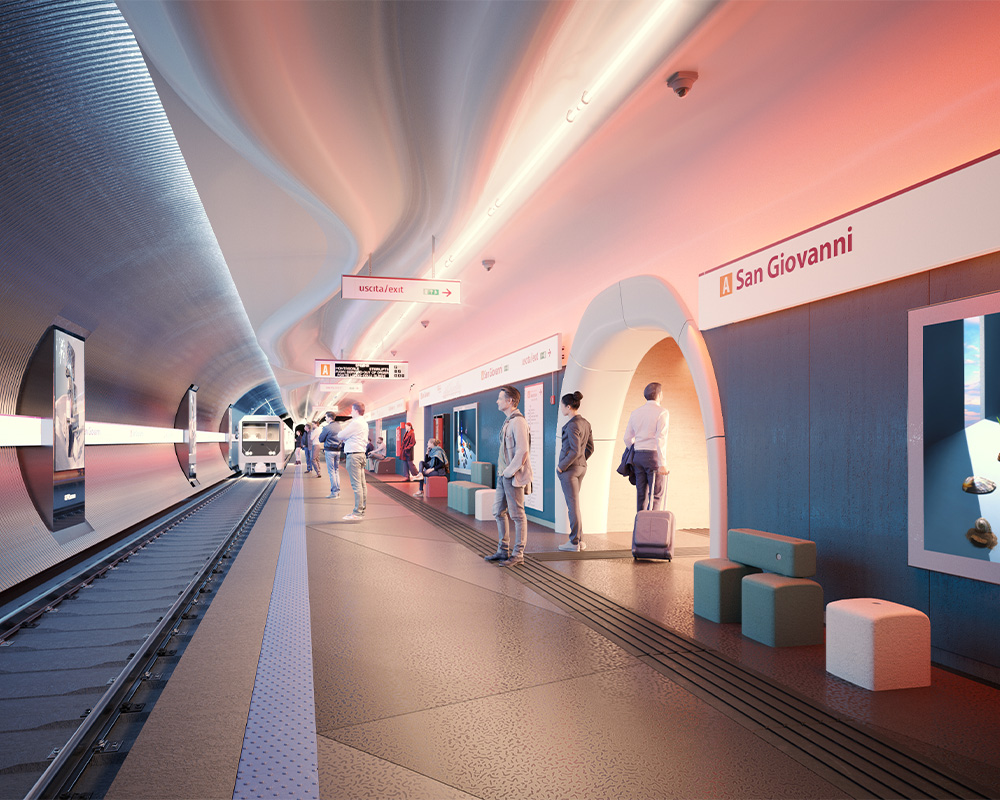
The restyling project for Line A of the Rome metro radically transformed one of the most iconic spaces in the history of metro networks. The intervention combined respect for the history of the place with an innovative vision, making the stations a welcoming and functional environment. Through collaboration between public and private entities, the restyling [1] updated the interiors, working on the design of the finishes, signage and lighting.
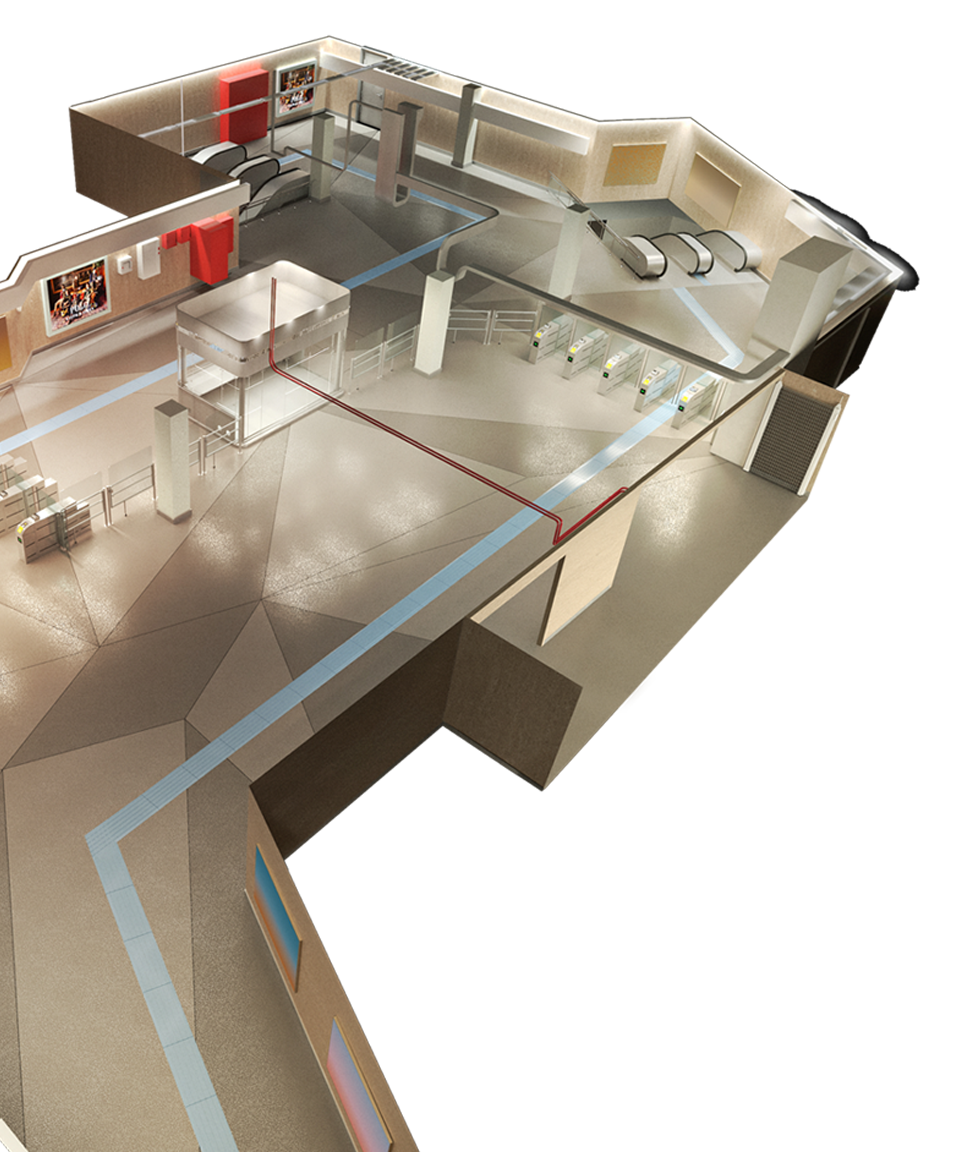
The new layout made it possible to create immersive routes that improve the travel experience and enhance the usability of the spaces for thousands of daily users. At the same time, the project successfully tackled water infiltration issues [2], incorporating passive systems and innovative solutions to preserve the structure and urban appearance.
The result was an environment that harmoniously blended historical heritage with contemporary technologies, ensuring safety, comfort and effective digital communication. The renovated stations along the line are no longer regarded as simple transit points, but as a symbol of urban regeneration and care for community wellbeing.
[1] The restyling
The intervention radically updated the aesthetic appearance, with colour choices and materials that celebrate Rome's history while projecting the space into the future, strengthening communicative consistency with the environment.
[2] Water infiltration
The project incorporated an innovative system for channelling infiltration water. These solutions drastically reduced surface deterioration, ensuring the durability of the structure.